Kenya safari shoulder season advantages are real, but they are not the same in June, late October, January, or November. What they share is lower demand than the peak July to September window. That often means better camp rates, fewer vehicles at sightings, and more flexibility with guides and rooms. But Kenya is not one destination. Rainfall, migration movement, road conditions, and wildlife behavior shift by region and by month. This guide compares the shoulder months honestly so you can decide whether one of them fits your safari.
What Is Kenya’s Safari Shoulder Season?
Kenya has two rainy seasons that shape its safari calendar. The long rains usually run from late March through May, and the short rains usually arrive in November and sometimes spill into early December. Peak tourist season clusters in the dry months of July, August, and September, with a second busy window over Christmas and New Year. Shoulder season is the lower demand space around those peaks.
In practice, most safari operators treat June, late September through October, January through early March, and November through early December as shoulder months. Some also include the first half of July if the rains ended late. The key difference from peak season is not that the wildlife disappears. It is that fewer travelers are there to see it.
What Are the Kenya Safari Shoulder Season Advantages?
The clearest advantages fall into four groups.
First, prices drop. Camps and lodges run lower rates outside peak demand, and many add stay longer, pay less deals. You may get a better room or a longer stay for the same budget.
Second, vehicle pressure drops. In public reserves, the number of game drive vehicles falls sharply in low season. In private conservancies, the rules already cap vehicle numbers, so you see even fewer vehicles at a lion sighting.
Third, availability improves. Last minute bookings become possible. Guides, specific camps, and family rooms that are fully booked in August often have space in June or November.
Fourth, the landscape changes. Green seasons bring new grass, wildflowers, and dramatic skies. Photographers get soft light and dust free air after rain. Birders see migratory species that are absent in the dry peak.
These advantages do not apply equally everywhere. A November stay in the Maasai Mara is not the same as a June stay in Samburu. The next sections show where each shoulder month works best.
Which Months Are Best, and Where Does It Vary by Region?
June is the tail of the long rains in many parts of Kenya. The Mara is green. The first herds of the Great Migration sometimes arrive in the western Mara by mid to late June, but timing shifts from year to year. Amboseli and Tsavo are also green, with fewer visitors. Samburu is recovering from rain, and the Ewaso Nyiro River often has water.
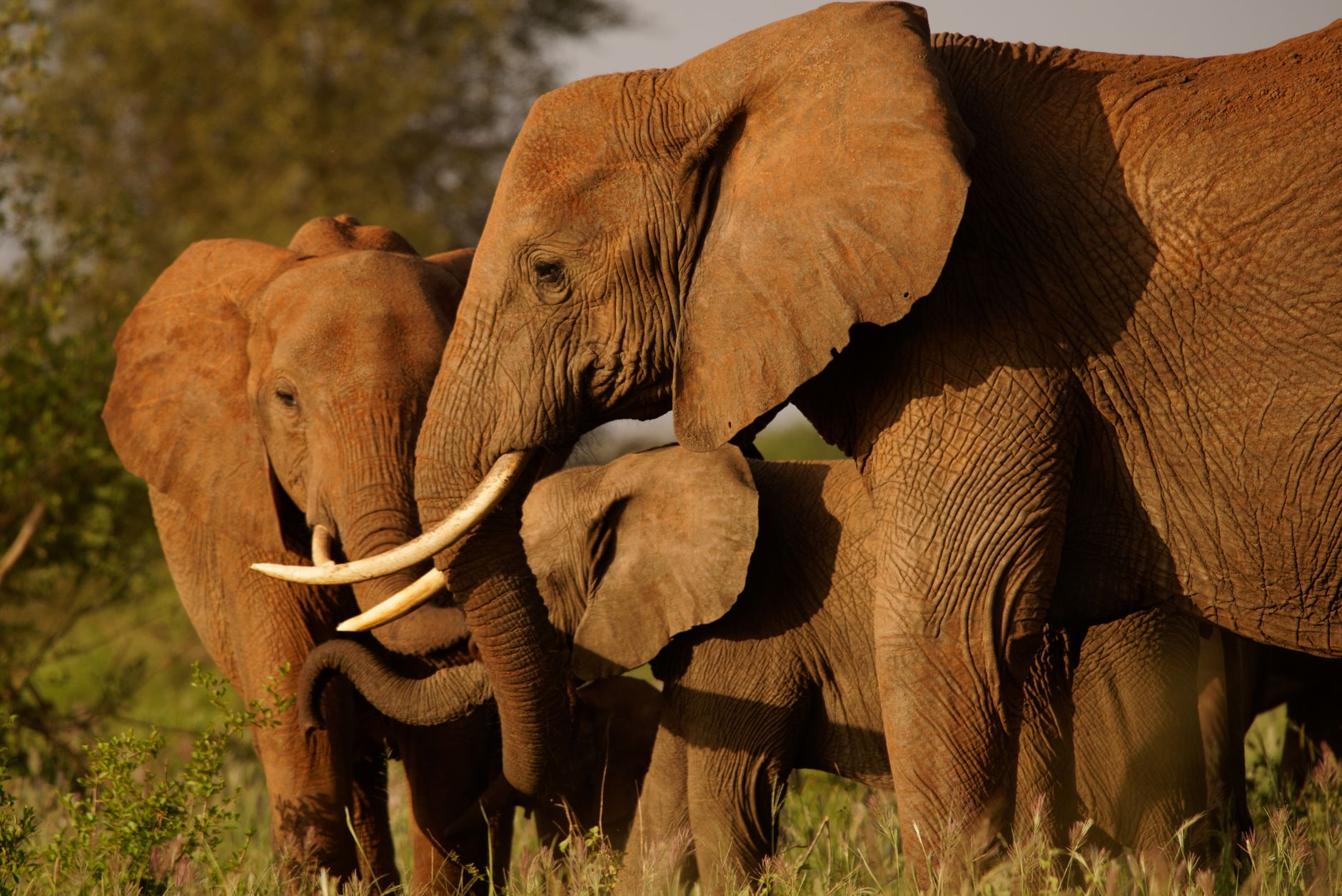
Late September and October are drier in most regions. The Mara usually holds large numbers of wildebeest, and river crossings can still happen, though peak crossing activity often fades by mid October. Amboseli is dry and dusty, but elephants gather near permanent swamps. Tsavo is very dry, which concentrates wildlife at water points.
January through early March is hot and mostly dry. This is calving season in parts of the wider Serengeti ecosystem, but in Kenya the action is more about resident wildlife. Amboseli and the Laikipia plateau are reliable. The Mara has resident lions, leopards, and large buffalo herds. Samburu offers good elephant and gerenuk viewing along the river.
November through early December is the short rains window. Rain usually falls as afternoon or evening storms, not all day drizzle. The landscape turns green fast. The Mara is quiet in early November, and by mid December the short rains often ease. Laikipia and the northern conservancies can be muddy, but the birding and greenery are excellent.
How Much Lower Are Safari and Lodge Prices?
Price differences are real but not uniform. A tented camp in the Maasai Mara may charge a high rate in August. That same camp can drop its rate by 20 to 40 percent in June or November. In late September or early October, it may hold near peak rates instead, because the migration is often still in the Mara.
The table below gives indicative ranges based on typical mid range to upper mid range camps. These are per person per night, full board, before park or conservancy fees. They are not quotes. Always confirm current rates for your dates.
| Shoulder period | Typical rainfall | Wildlife notes | Vehicle crowding | Indicative camp rate per person per night |
|---|---|---|---|---|
| June | Long rains ending, green | Migration may arrive late in Mara, resident game strong | Low | USD 250 to 450 |
| Late Sept to Oct | Mostly dry | Migration often in Mara, crossings possible | Moderate to low after mid Oct | USD 350 to 650 |
| Jan to early Mar | Mostly dry and hot | Resident predators, elephants, calving in wider ecosystem | Low except late Dec | USD 250 to 500 |
| Nov to early Dec | Short rains, green | Birding excellent, few visitors | Very low | USD 200 to 400 |
Park and conservancy fees are separate. Private conservancies such as Ol Kinyei, Naboisho, and Mara North add a daily conservation fee. That fee does not drop in shoulder season. So a lower room rate can be partly offset by fixed fees. Check the total cost before comparing operators. Our Kenya safari cost guide breaks down these fees in more detail.
Are There Really Fewer Vehicles at Sightings?
Yes, and this is one of the most underrated Kenya safari shoulder season advantages. In public reserves like the Maasai Mara National Reserve, peak season can bring many vehicles to a single lion or cheetah sighting. In June or November, that number drops sharply. You may share a sighting with one or two other vehicles instead of ten or more.
Private conservancies take this further. Mara North, Ol Kinyei, and Naboisho restrict the number of beds per acre and the number of vehicles at a sighting. Ol Kinyei allows only a small number of camps, and its game drive density is low by design. That rule applies year round, but in shoulder season the effect is even more noticeable because fewer camps are full. You get longer, quieter sightings and more flexibility to stay with an animal without pressure to move on.
Will I Still See the Big Five and Other Wildlife?
Shoulder season does not mean empty parks. Lions, leopards, elephants, buffalo, and rhinos are resident in Kenya. They do not migrate with the wildebeest. The Mara has strong lion and leopard numbers all year. Amboseli offers reliable elephant viewing. Ol Pejeta and Lewa have rhino populations. Samburu has its own set of northern species, including reticulated giraffe, Grevy’s zebra, and gerenuk.
The difference is that in green season, vegetation can be thicker, which can make leopards and smaller cats harder to spot. In dry shoulder months like late September or February, thinner cover works in your favor. You can read more about Kenya’s Big Five safari wildlife to understand where each species is most visible.
Can I See the Great Migration During Shoulder Months?
Yes, but the timing is less reliable than in peak August and early September. The herds move in a loop between the Serengeti in Tanzania and the Maasai Mara in Kenya. In many years, large numbers enter the Mara by July and remain into October. Some years they arrive in June. Some years they leave by late October. River crossings are dramatic but unpredictable. You cannot schedule one.
If seeing the migration is your top priority, late September and early October give you a decent chance with fewer visitors than August. June and November are less certain. For a longer explanation of timing, see the best time for the Great Migration in Kenya. If the herds are not in the Mara during your shoulder dates, resident game still offers a full safari.
What About Rain, Roads, and Getting Around?
Rain is the main trade off. In November, the short rains can make roads in black cotton soil areas slippery. This is a known issue in parts of the Mara and in conservancies with clay soils. Some airstrips may be soft after heavy rain, and a few camps close for maintenance in November or April and May. But most safari vehicles are four wheel drive, and guides know how to handle mud.
The long rains ending in June can also leave some tracks wet, especially in the first half of the month. By late June, conditions usually improve. In January and February, roads are dry and dusty, but heat can be intense in Tsavo and Samburu.
Rain is rarely all day. In most shoulder months, rain falls as a heavy burst for an hour or two, often in the afternoon or night. You still get morning game drives. Packing a rain shell and a warm layer solves most comfort issues. See our Kenya safari packing list for a full rundown.
Which Conservancies Shine in Shoulder Season?
Named conservancies make shoulder season a stronger choice. In the Maasai Mara ecosystem, Ol Kinyei and Naboisho have low vehicle density, night drives, and walking safaris. Mara North is larger and offers a mix of river frontage and open plains. These conservancies rarely feel crowded, even in June or October.
In Laikipia, Ol Pejeta and Lewa offer excellent rhino viewing, and both have strong anti poaching programs. January and February are reliable there, with warm days and cool nights. November can be green and muddy, but the birding is superb. Read our Ol Pejeta Conservancy guide for more detail on its wildlife and activities.
Samburu is a different ecosystem. It is drier and hotter than the Mara. June and January work well. The short rains in November bring the landscape to life, and the Ewaso Nyiro River draws elephants and leopards. Our Samburu safari guide covers the best months and camps.
Who Should Avoid a Shoulder-Season Safari?
Shoulder season is not for everyone. If your entire trip depends on seeing a Mara river crossing, book peak August or early September and accept the crowds and higher prices. If you want guaranteed dry beach weather for a Diani extension, the short rains in November can bring humidity and heavy downpours to the coast. January and February are better for beach add ons.
If you are a photographer who needs very short dry grass for clear ground level shots, late September or February is better than June or November. If you dislike heat, avoid January and February in Tsavo or Samburu. And if you want a specific luxury camp that closes in November or April, check opening dates first.
Shoulder season is also not uniformly cheaper. Some camps keep near peak rates in late September because the migration is still present. Others charge extra for conservation fees that do not change. Compare total cost, not just the room rate.
What Should I Pack for a Shoulder-Season Safari?
Pack for variable weather. A light rain shell, a warm fleece for early mornings, and neutral colored clothing are the core. In green months, waterproof shoes help on muddy paths. In dry hot months, a wide brim hat and sunscreen matter more. Binoculars and a camera with a zoom lens are essential in any month. A full list of clothing, health items, and gear is in our Kenya safari packing list.
If you can plan around some rain and a little uncertainty, a shoulder-season safari is worth serious consideration.
For a practical next step, compare safari operators that list packages by month and conservancy. FindMySafari, Valley Safaris, and Trunktrails Safaris all let you filter by travel dates, budget, and region. Look for itineraries that match the shoulder month you are considering, and ask the operator how they handle rain and road conditions in that specific conservancy.
Where Can I Find More Safari Planning Resources?
- Best time to visit Kenya from Trunktrails Safaris
- Best time to visit Kenya month-by-month map from Valley Safaris
- Great Migration safari collection on FindMySafari